Earth's Inventory · May 22, 2026
Biodiversity
Day
8.7 million species share this planet with us.
Most of them, we've never even met.
Scroll
The Inventory is Open
One planet.
8.7 million species.
Known species
Discovered today
Lost today (estimated)
Based on current scientific estimates of 18,000 new species described per year and 1,000–10,000 extinctions annually.
The kingdoms await

01 / 7
Fungi
Fungi
“They hold the forest together.”
The silent architects beneath every forest floor. Without mycorrhizal fungi, 90% of plants would die.

02 / 7
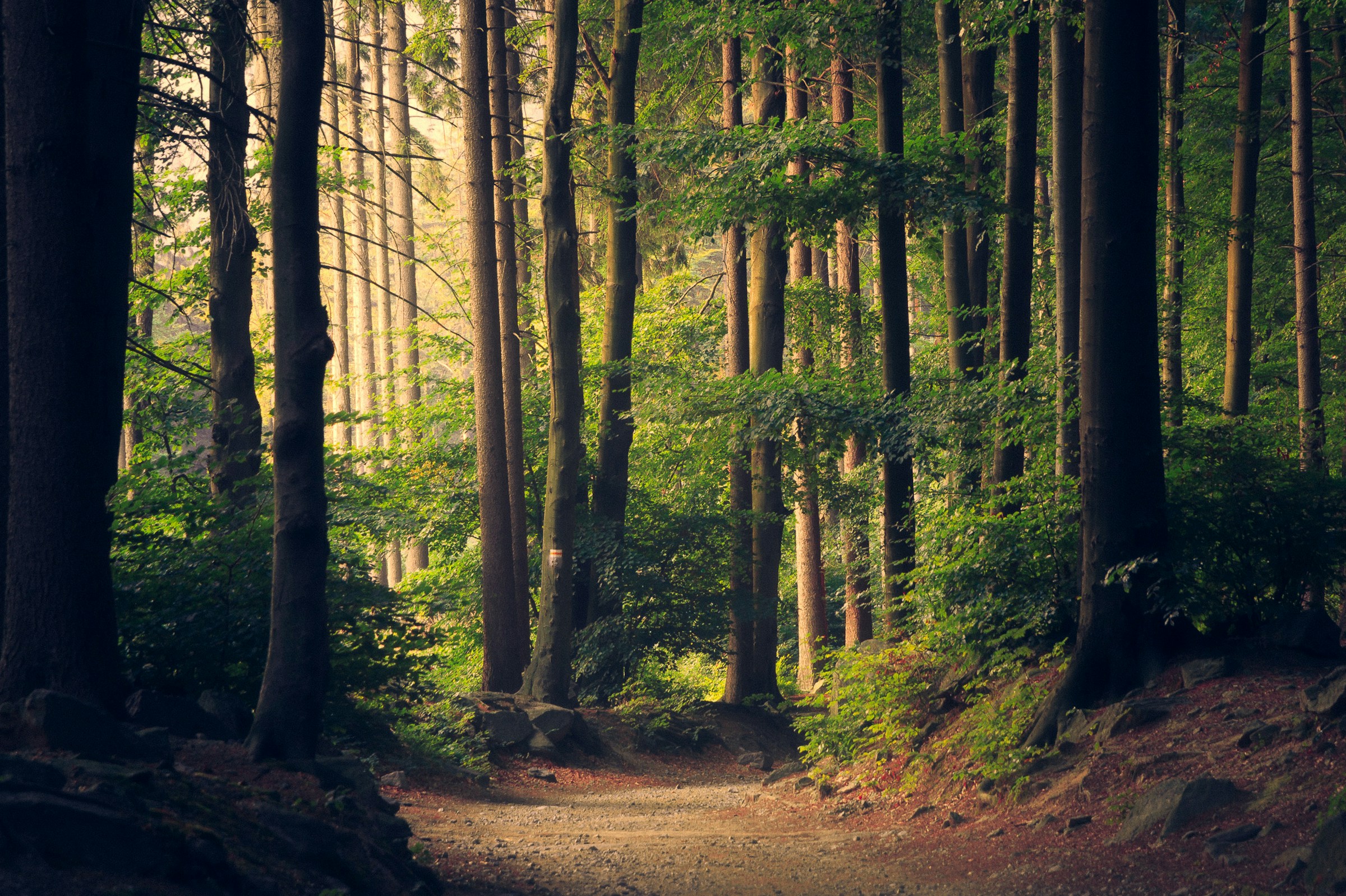
Insecta
Insects
“They run the world.”
Pollinators, decomposers, predators. One in three bites of food you eat exists because of them.
03 / 7
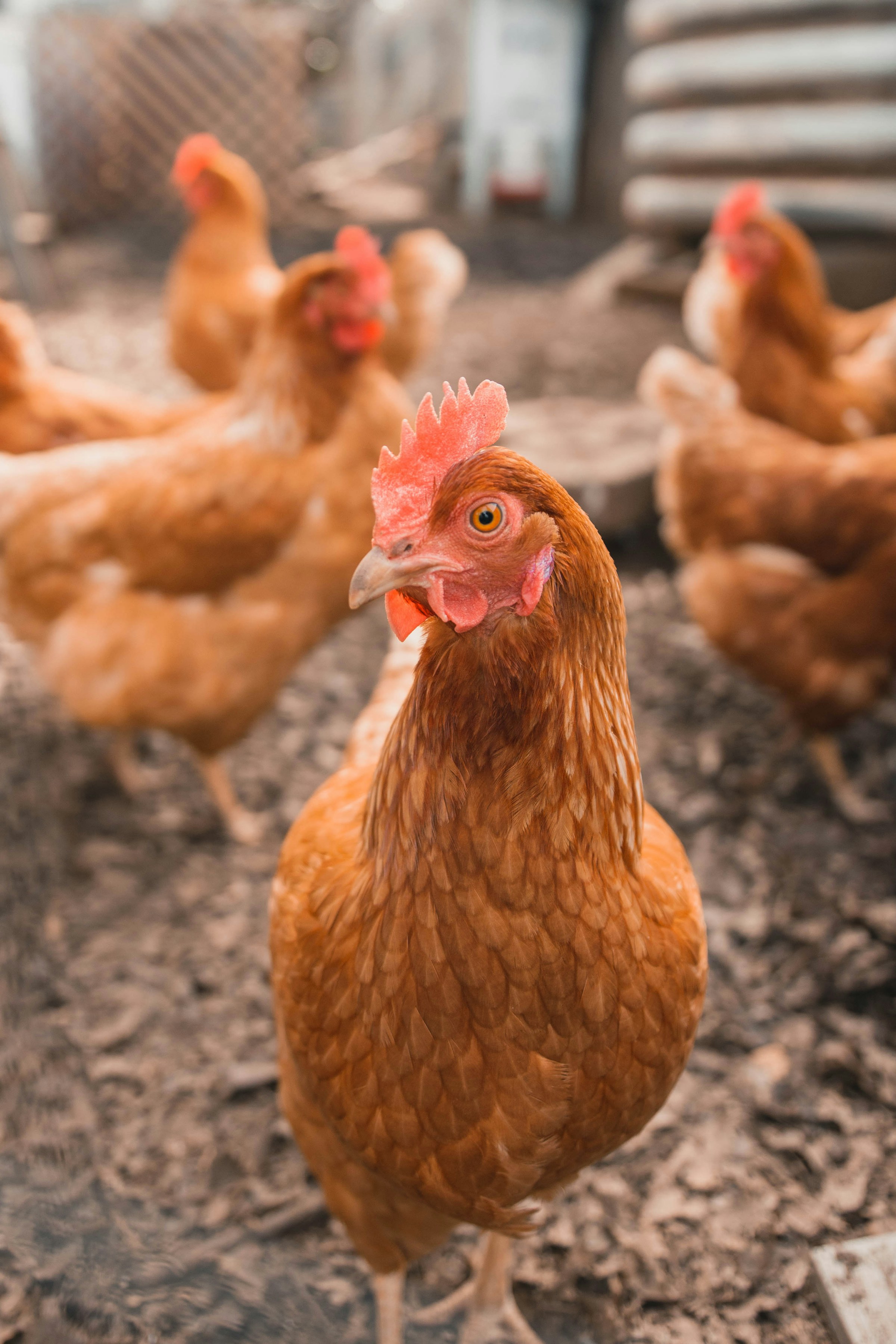
Plantae
Plants
“They are the lungs.”
Every breath you take was made possible by a plant. They have been purifying this atmosphere for 470 million years.
04 / 7
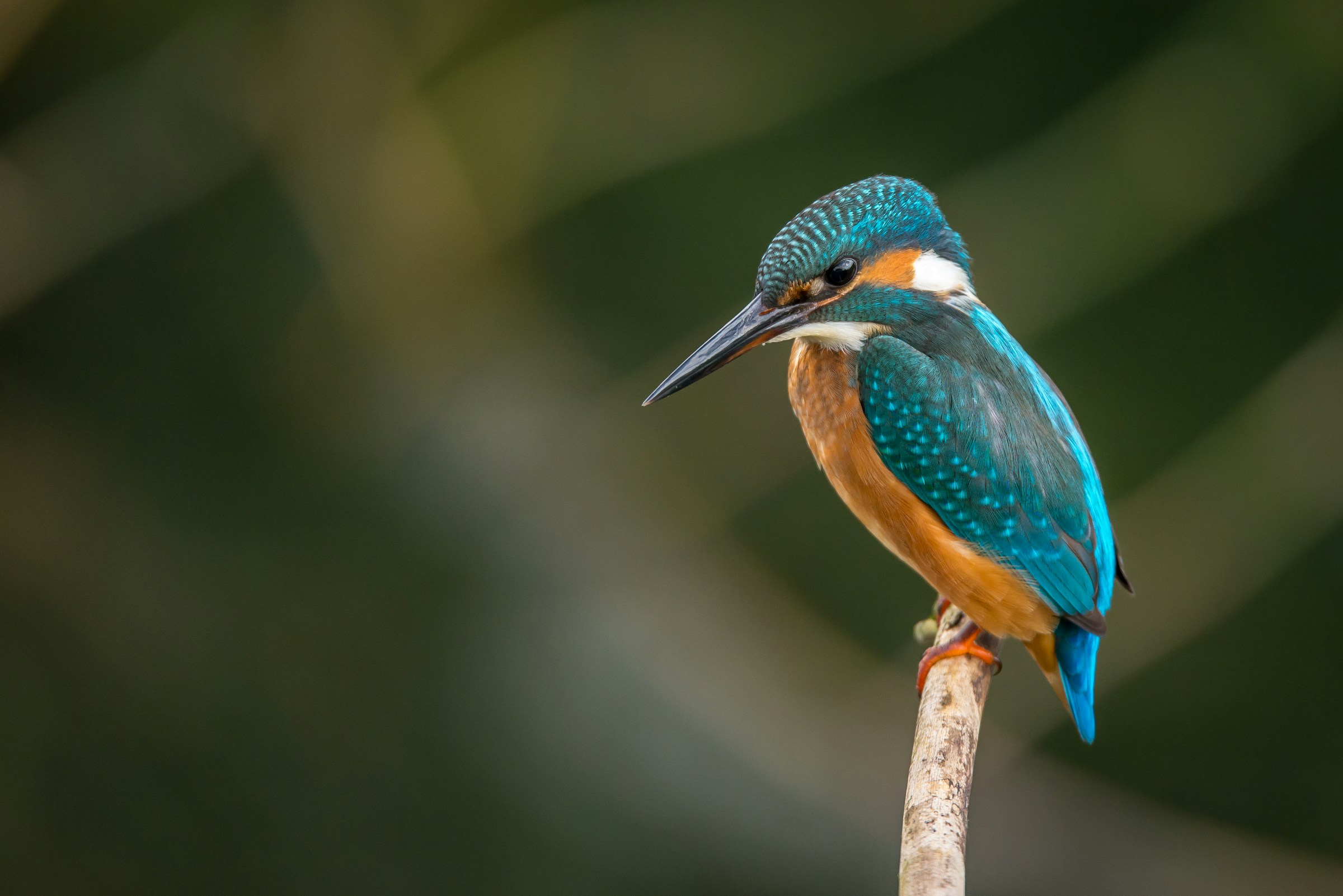
Pisces
Fish
“They hold the ocean in balance.”
From the sunlit surface to the hadal zone at 11km depth — fish navigate every layer of our water world.
05 / 7
Aves
Birds
“They sing what we can't say.”
The most studied vertebrates on Earth — and still, 150 new species are described every decade.

06 / 7
Reptilia
Reptiles
“Ancient survivors.”
They outlived the dinosaurs. They watched the ice ages come and go. Now they face something new: us.

07 / 7
Mammalia
Mammals
“The ones we know best. The ones we're losing fastest.”
We are mammals. We share 97% of DNA with every mammal on this list. We are not separate from nature — we are it.
Every dot is a species
8.7 million
reasons to care
The Red Room
Last
portraits
Species on the edge. Each one the result of millions of years of evolution. Each one irreplaceable.

Phocoena sinus
Vaquita
The world's smallest and rarest cetacean. Lost to illegal fishing nets.
Region: Gulf of California

Pseudoryx nghetinhensis
Saola
Called the Asian unicorn. Discovered in 1992. Never photographed in the wild.
Region: Vietnam & Laos

Strigops habroptilus
Kakapo
The world's only flightless parrot. Nocturnal. Smells like flowers. Each one has a name.
Region: New Zealand

Rhinoceros sondaicus
Javan Rhino
Once roamed across Asia. Now confined to a single peninsula. Hunted to the edge of existence.
Region: Java, Indonesia
The Green Room
We know how
to do this.
When we act, species recover. These are the stories of species that came back from the edge — because humans chose to intervene.
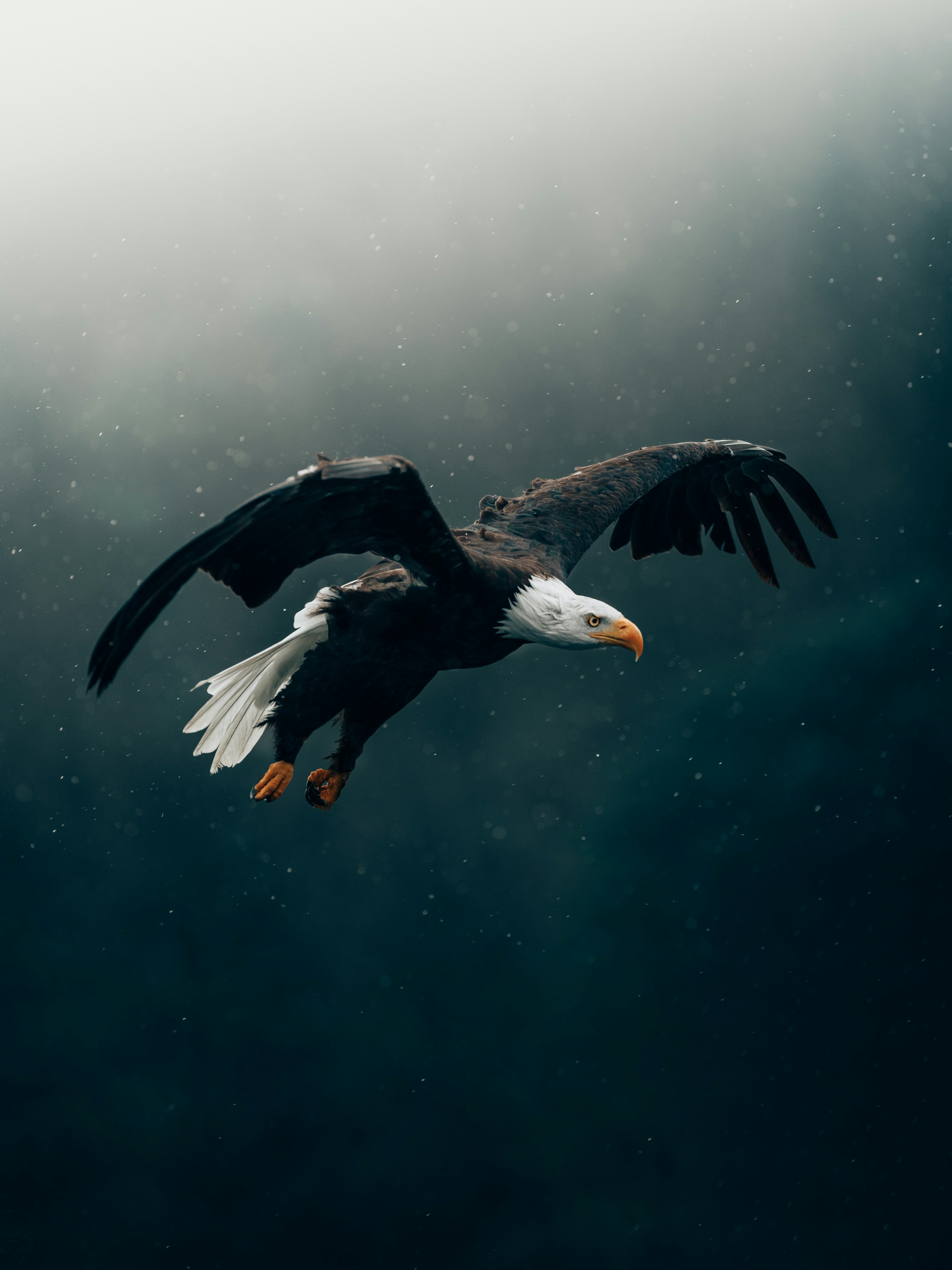
Haliaeetus leucocephalus
Bald Eagle
417 pairs in 1963
316,700 today
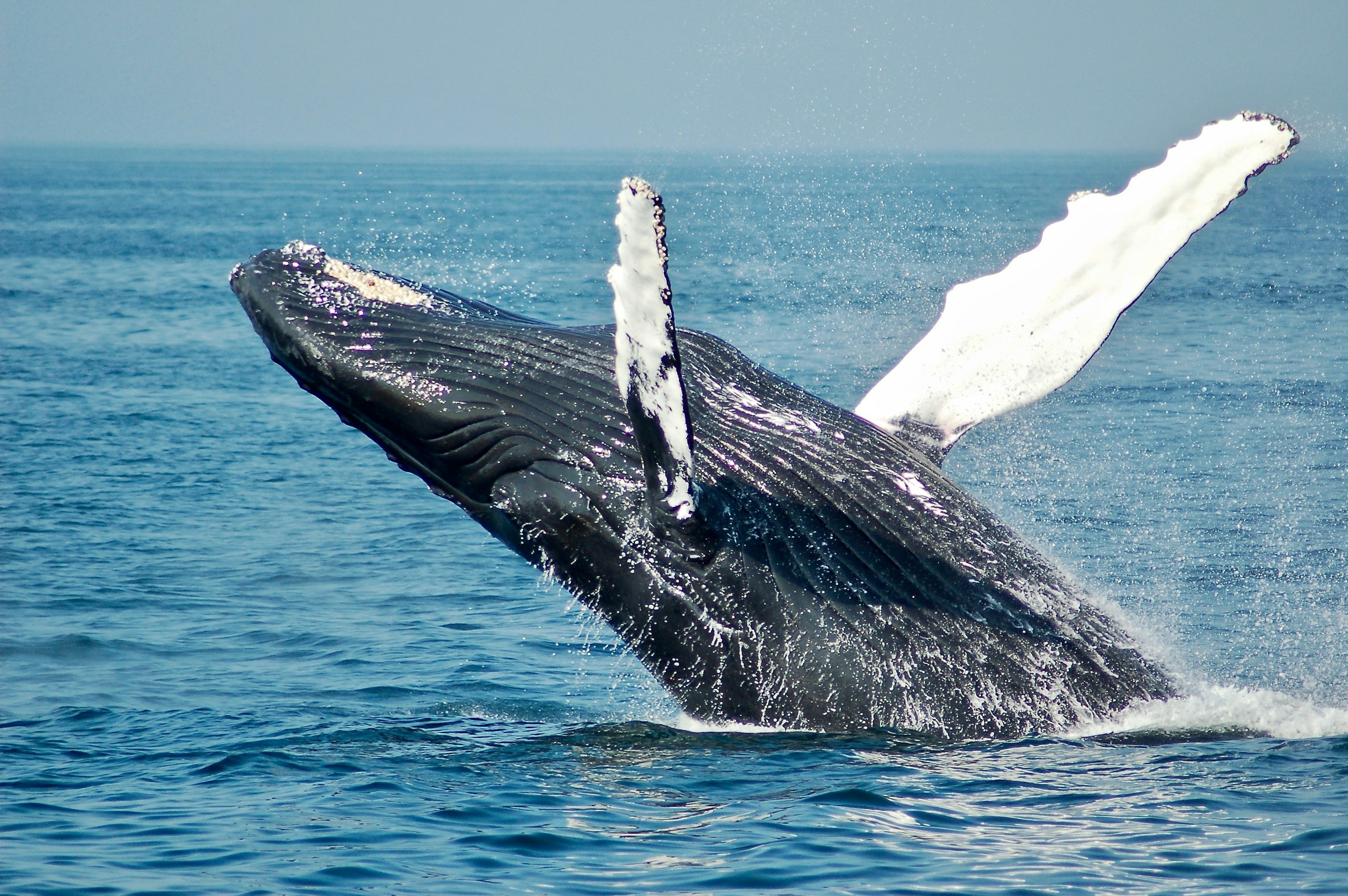
Megaptera novaeangliae
Humpback Whale
5,000 individuals in 1966
84,000 today

Canis lupus
Grey Wolf
Locally extinct in Yellowstone, 1926
Fully restored ecosystem
“The natural world does not need saving.
It needs us to stop destroying it.”
— David Attenborough
Your neighborhood
What lives
near you?
Discover the extraordinary species sharing your corner of the planet.
The Pledge Wall
pledges made today
Choose your pledge.
Come back next year. Let's see what changed.
biodiversityday.com · May 22, 2026